
Exhibition “Robert Couturier – The Poetry of Bodies”
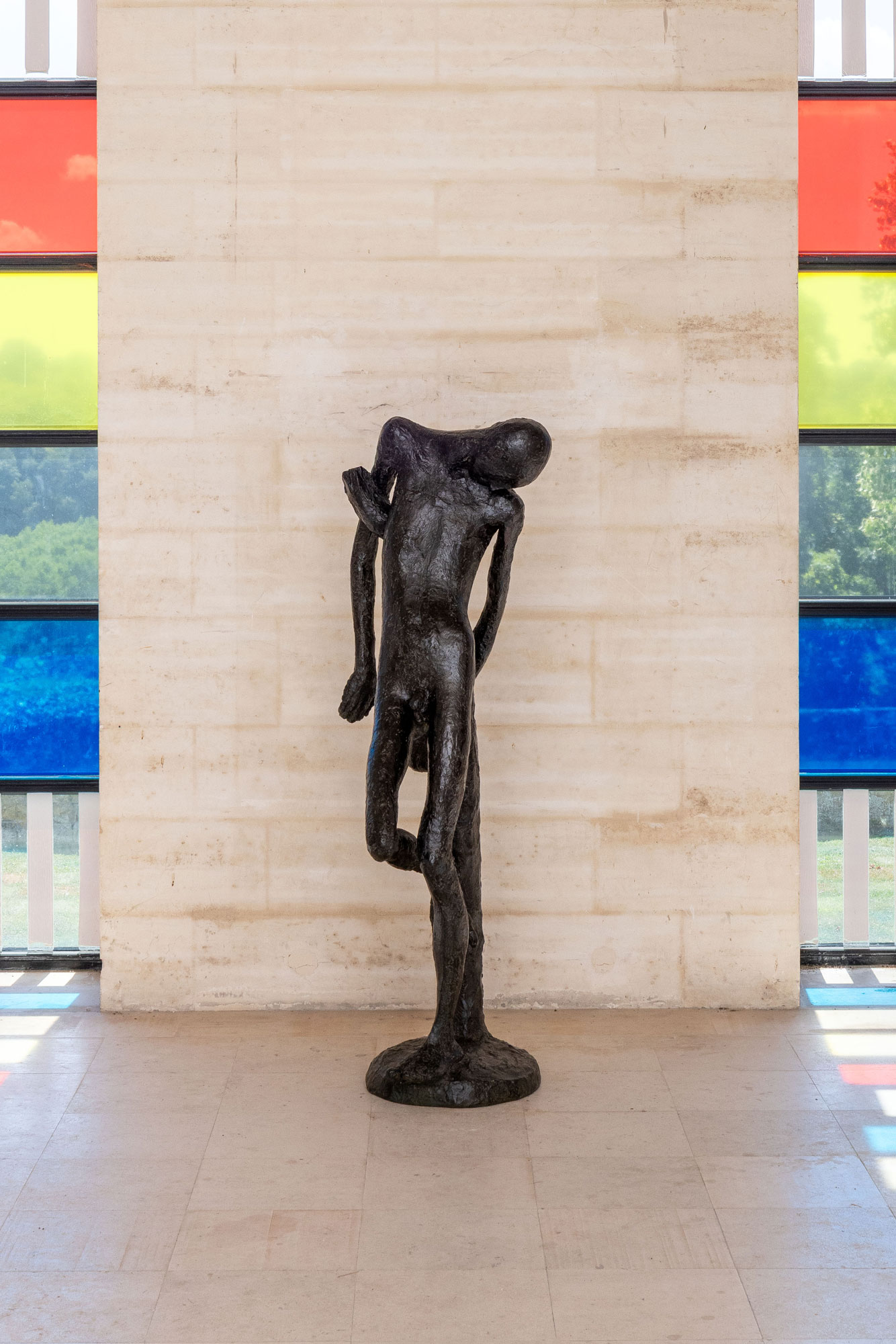
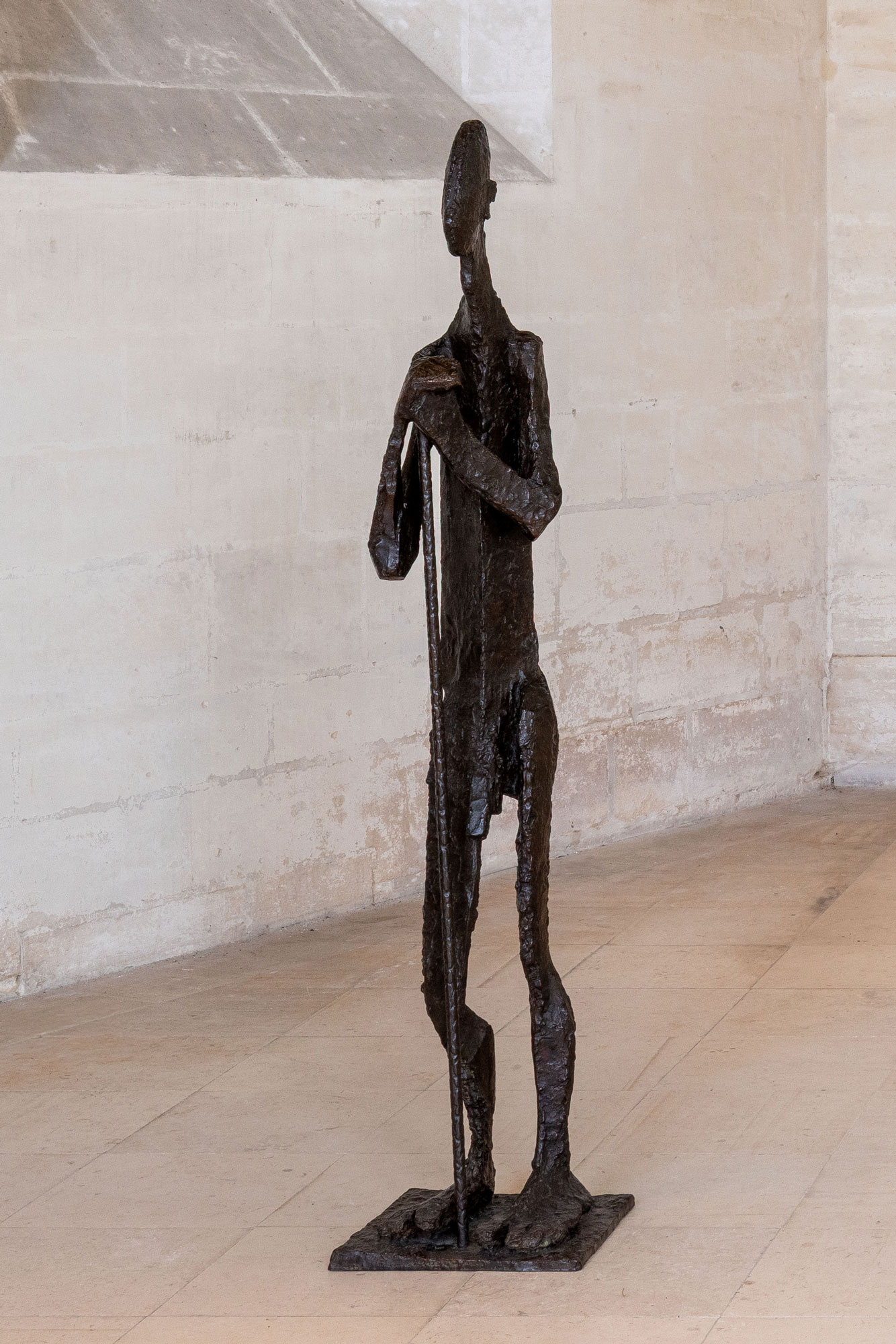
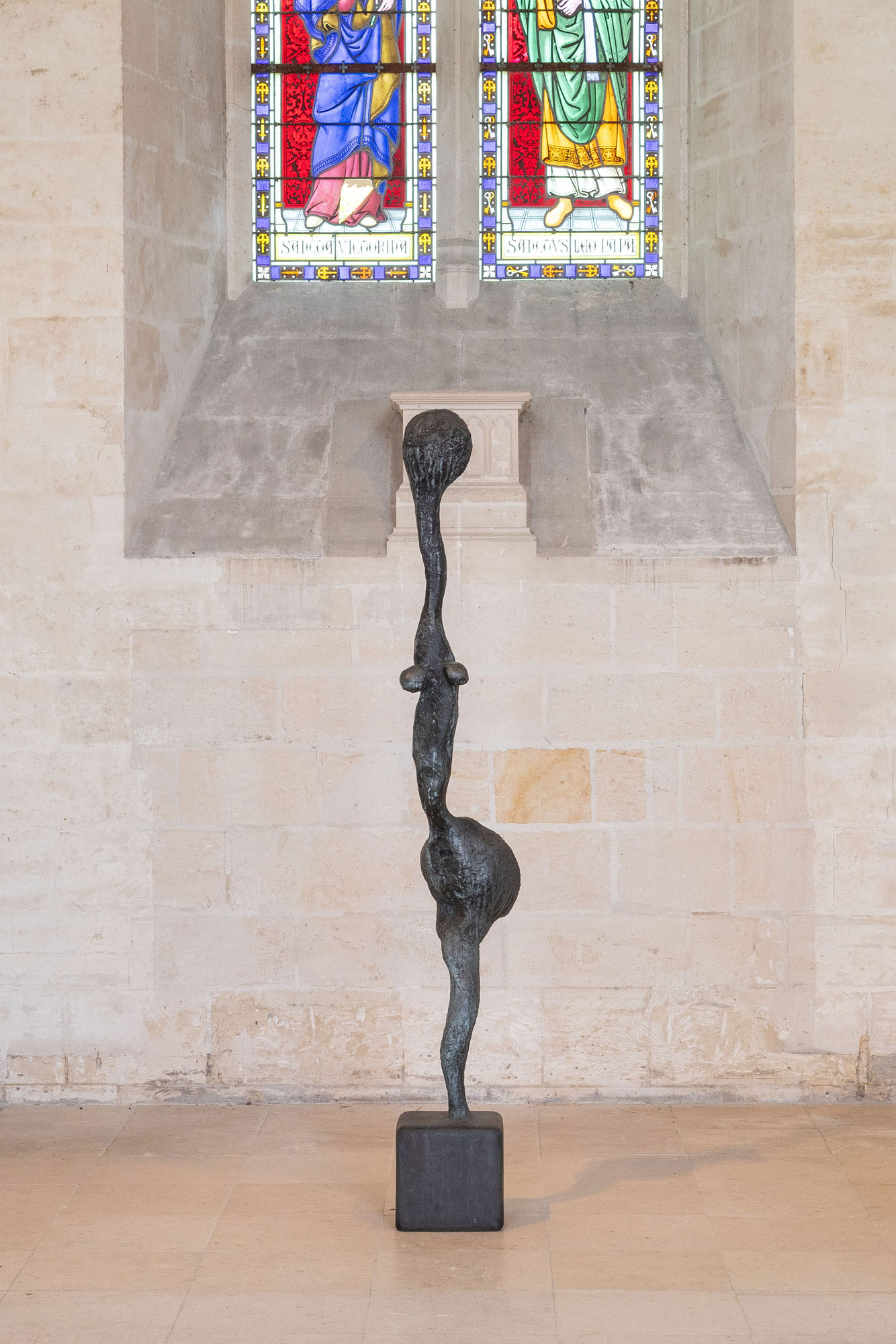
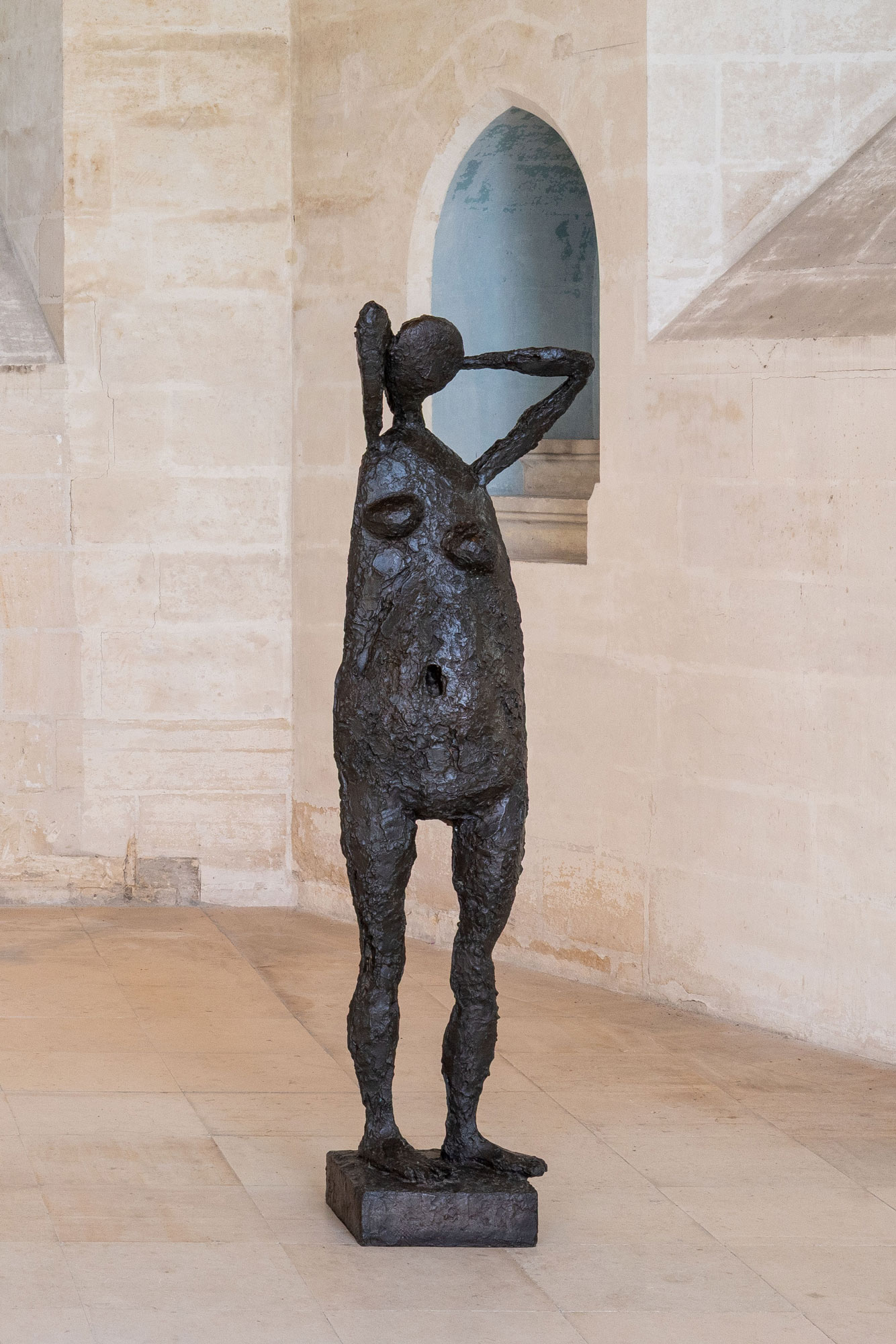
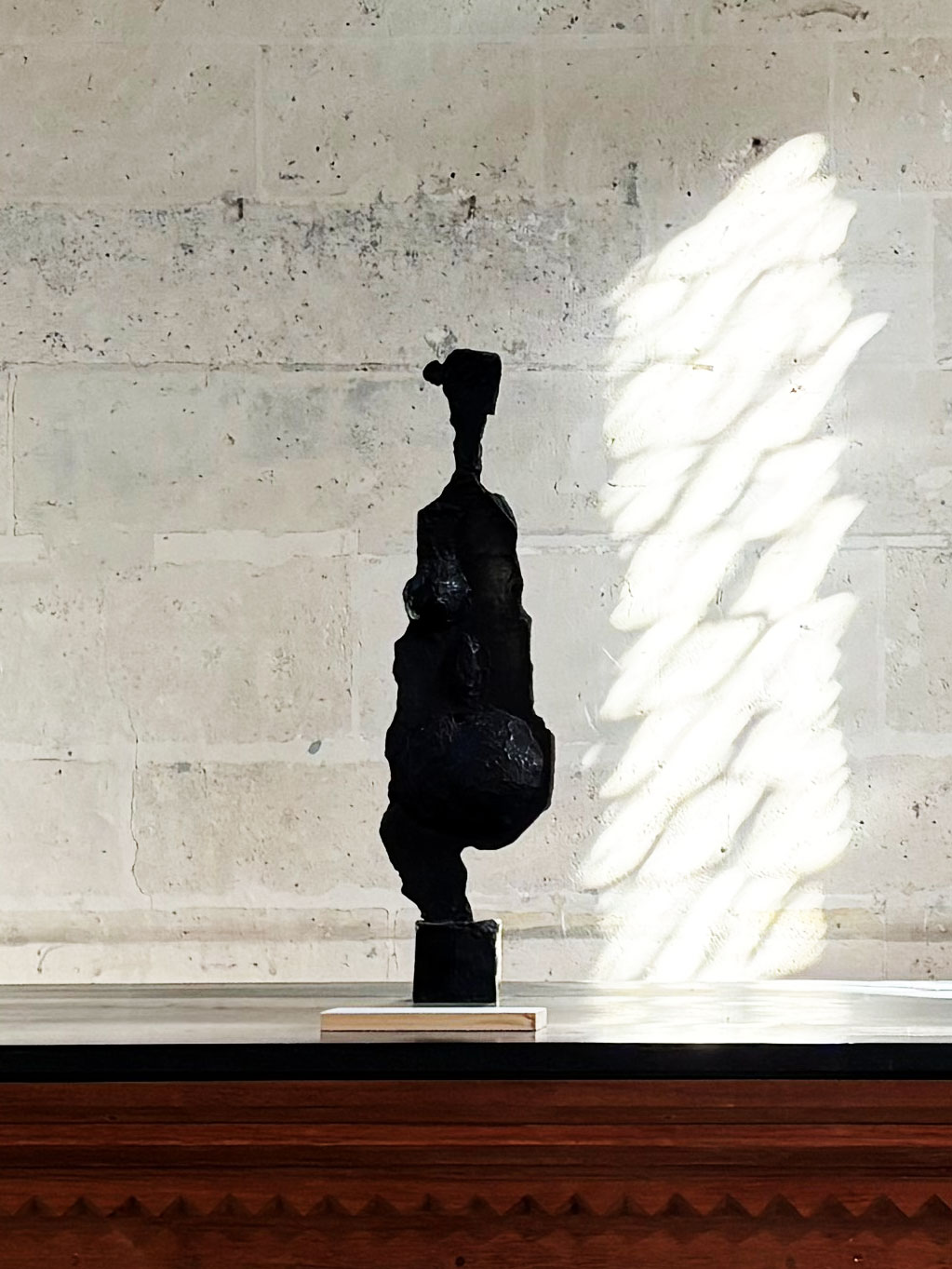
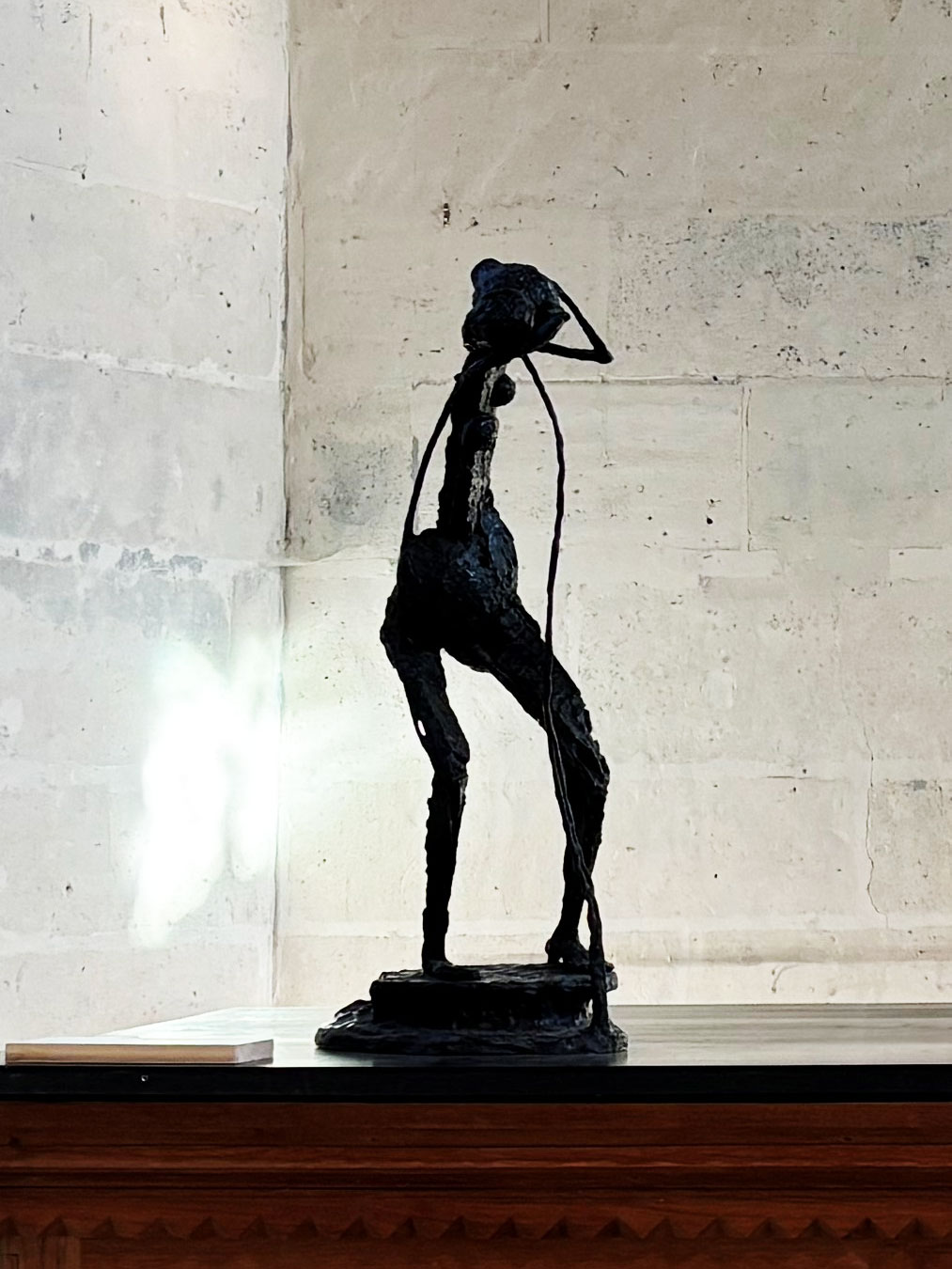
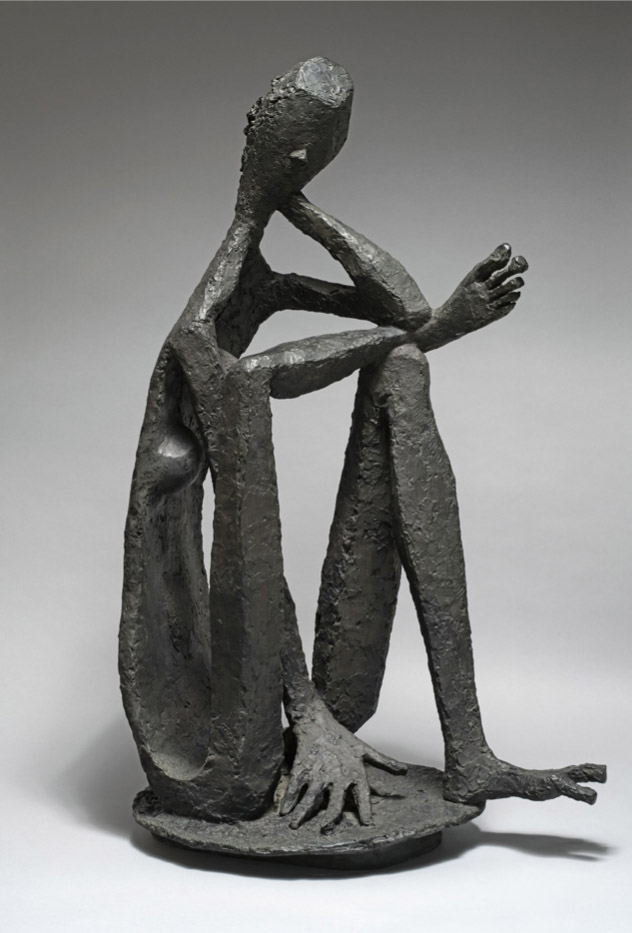
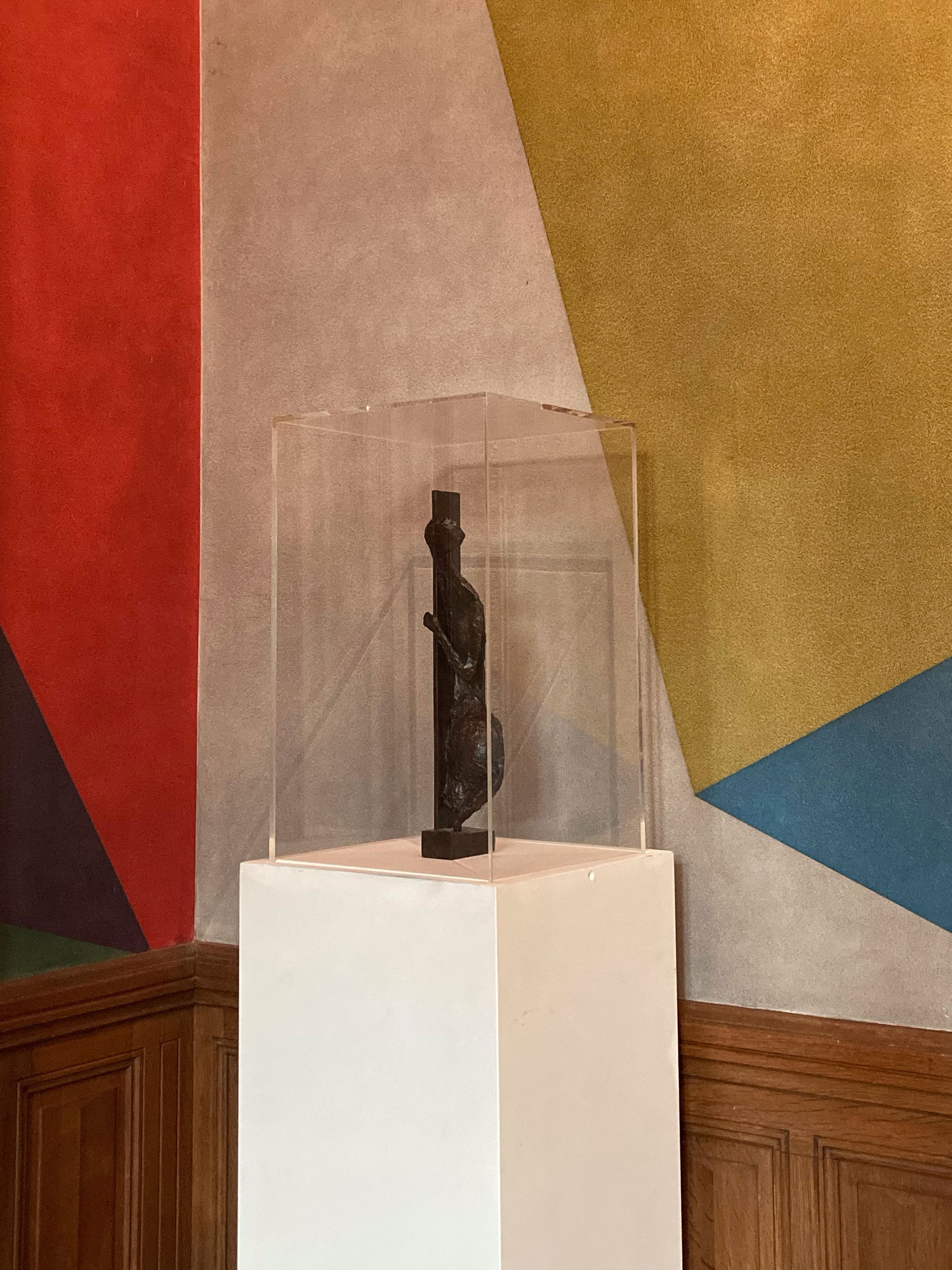
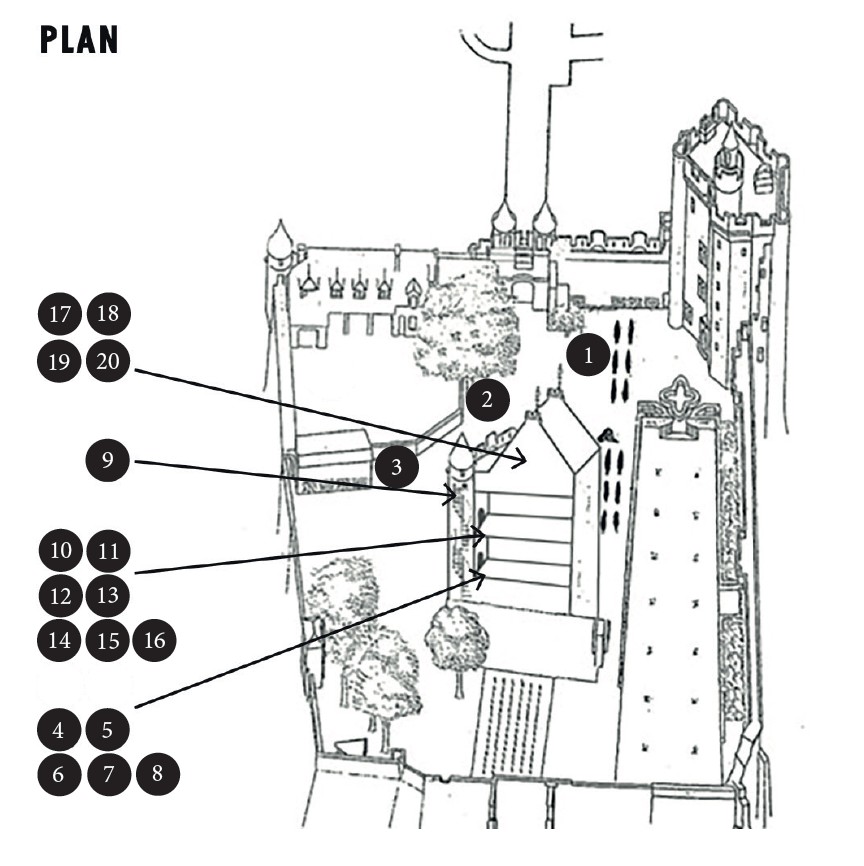
This summer, the Donjon de Vez is presenting the first major retrospective dedicated to Robert Couturier since 2005. Considered one of the most important post-war sculptors in France, alongside Alberto Giacometti and Germaine Richier, Robert Couturier returns to the spotlight with twenty monumental and life-size sculptures, displayed throughout the gardens and halls of the Donjon.
The twenty works by Robert Couturier (1905–2008) on display at the Donjon de Vez offer a retrospective of an artist who was both a participant in and a witness to a twentieth century marked by the last avant-garde movements and profound artistic upheavals.
For over sixty years, in the quiet of his studio on Villa Seurat in Paris, Couturier made the human body — particularly the female form — his primary material.
Trained in drawing and lithography, he developed a sculptural language born in the wake of Aristide Maillol, whom he met in 1928 and whose influence is strongly felt in his early work. The master’s death in 1944 marked Couturier’s necessary and final emancipation, as he set out to create an “anti-Maillol” style by combining empty and solid forms, the visible and the invisible, inner and outer space, in representations of Man and the human figure — a subject he never abandoned.
His transition toward a personal artistic language occurred when he began to suggest forms rather than impose them on the viewer, while still preserving a full volume. He spoke of “open form,” where air and light circulate freely.
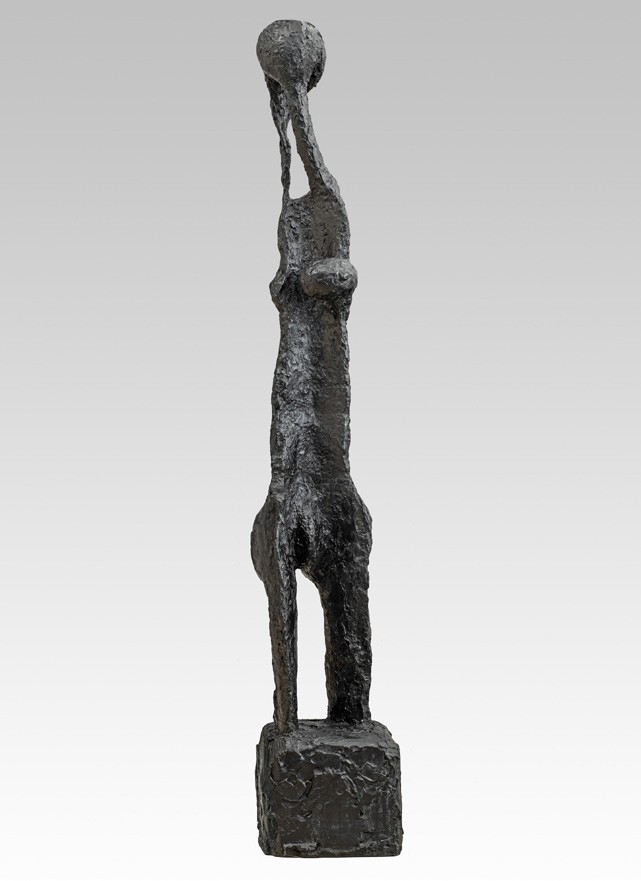
In contrast to creation by addition, Couturier chose to eliminate, remove, hollow out, and carve into the material to reveal the form. This “anti-sculpture” reflects an attempt to metamorphose the body: depending on the angle of view, the viewer’s perception shifts.
This “draughtsman of sculpture” has a head-on approach to space and plays with the balance of forces, suggesting a form poised between presence and absence. The viewer immediately enters the work: they participate in it, following the suggestions it offers.
Robert Couturier’s work is rooted in everyday life and poetry.
This exhibition is organized with the support of Galerie Dina Vierny, representing the artist’s estate.
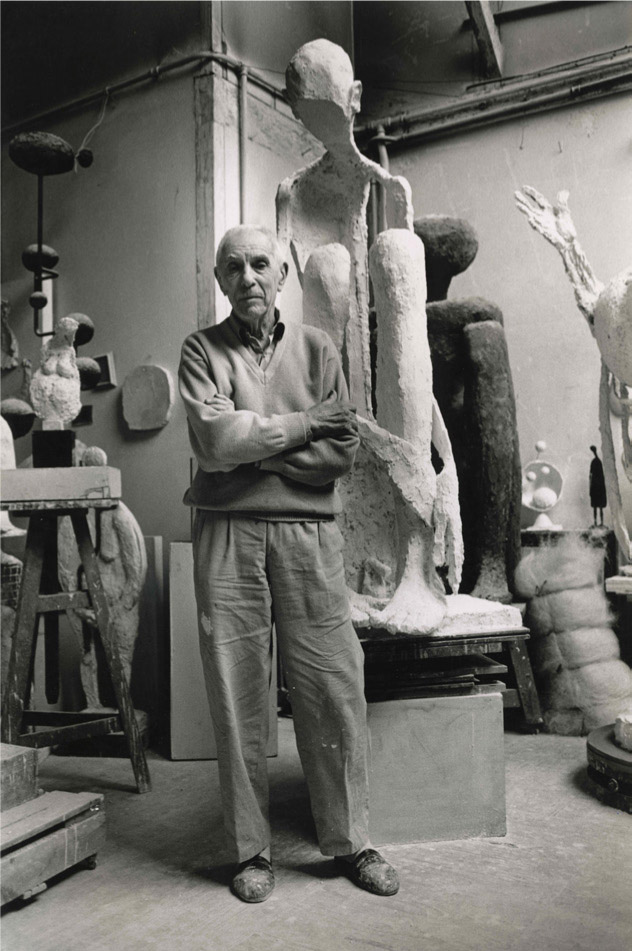
Biography
Born in 1905 in Angoulême, Robert Couturier studied lithography in Paris and quickly caught the attention of Aristide Maillol in 1928, becoming his student and friend. In the 1930s, he won the Blumenthal Prize and took part in group exhibitions at Parisian galleries. In 1936, for the 1937 World Fair, he was commissioned to create The Gardener (Le Jardinier) for the Trocadéro esplanade in Paris and produced all the sculptures and decorations for the Pavilion of Elegance, designed by Émile Aillaud.
In 1938, he signed the Rupture manifesto with the Forces Nouvelles and Nouvelle Génération groups. This manifesto advocated a return to traditional craftsmanship and artistic values. Their approach aimed to renew the representation of the human figure, and this innovative aesthetic had an international impact.
Captured during the Second World War, he managed to escape and became one of the founding members of the Salon de Mai in 1943. After the war, in 1946, he was appointed professor at the École nationale des Beaux-Arts.
Robert Couturier held his first solo exhibition in London in 1947 and took part in two major exhibitions in 1948 and 1949 that brought together both established and emerging generations of sculptors in Bern and Amsterdam. He represented French sculpture at the Venice Biennale in 1950 and the São Paulo Biennale in 1951, and participated in the Sonsbeek exhibition in 1952 and the Antwerp Biennale in 1953.
The Musée Rodin organized his first retrospective in 1970, followed in 1975 by the Monnaie de Paris, which presented a large collection of his sculptures, drawings, and medals.
For his hundredth birthday, the Fondation Dina Vierny – Musée Maillol in Paris held a retrospective in his honor, and he was named an Officer of Arts and Letters. He passed away on October 1, 2008, at the age of 103, leaving behind a body of work comprising more than 500 sculptures.
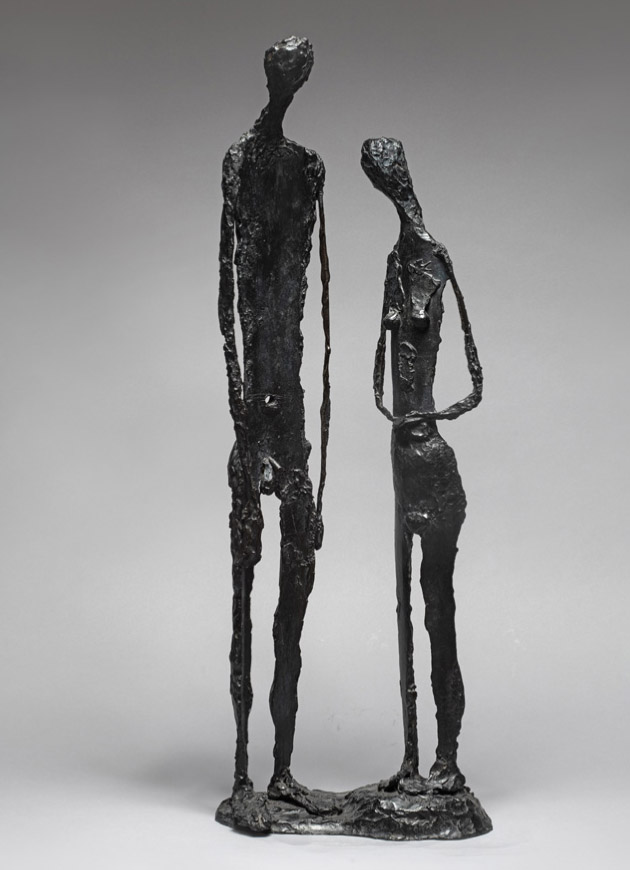
Blending tradition and modernity, Robert Couturier offered a new interpretation of the human figure. As the inventor of so-called “allusive” sculpture, he moved beyond classical forms to bring a sense of renewal. The female figure was his principal source of inspiration. With a simple line, he suggested the body, using a plural language of elongated, solid, or hollow forms.
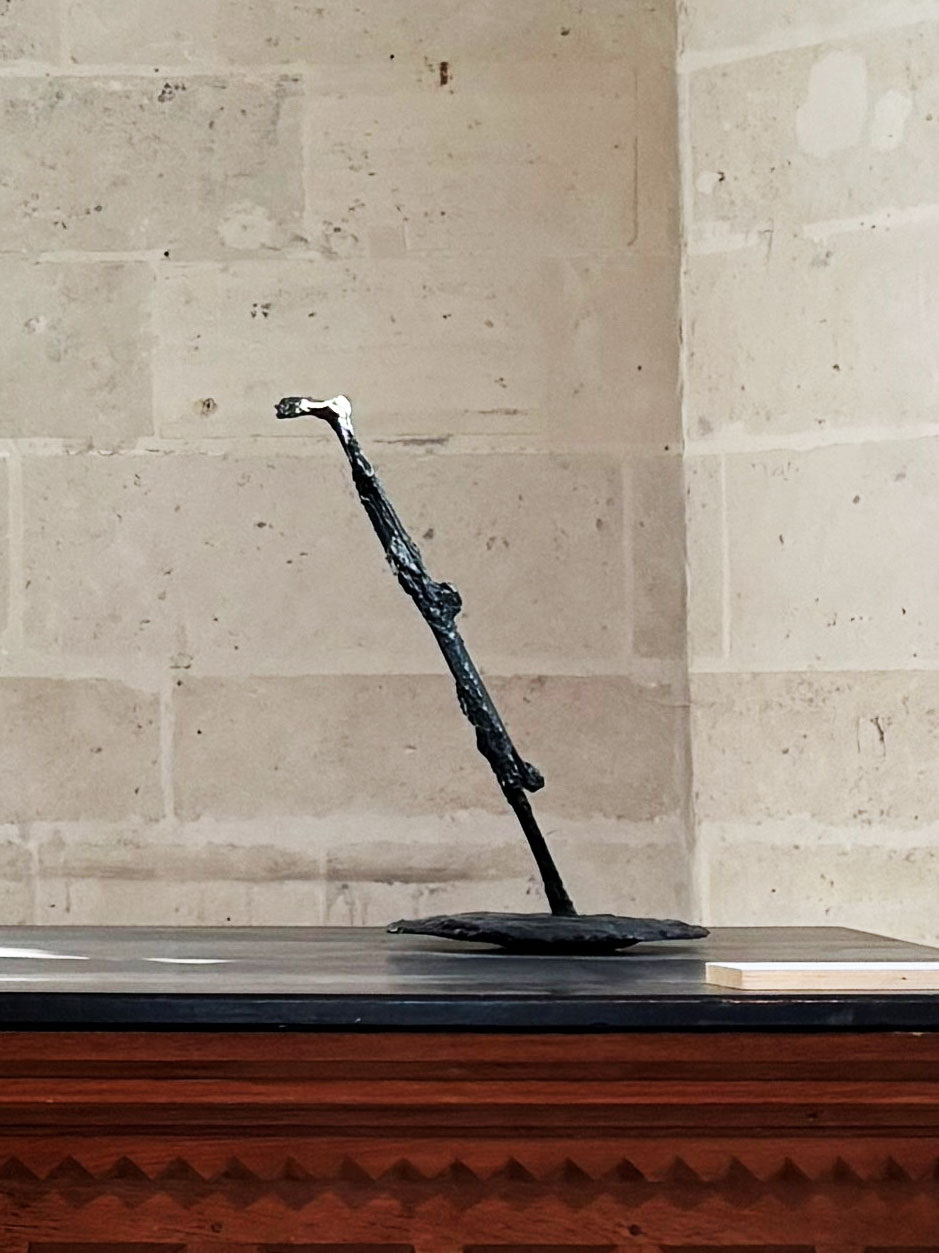
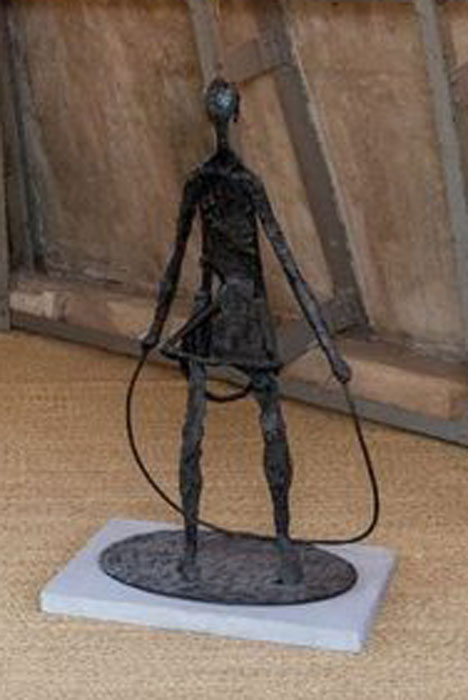
His dynamic works seek a dialogue between form and space. He played with materials — plaster, bronze, stone — and incorporated everyday objects into his sculptures. Robert Couturier’s works establish a rhythm between form and substance, a delicate balance that offers great freedom of interpretation.
Presented works